
Yogyakarta, Voicejogja.com – Amidst the deeply rooted culture of mutual cooperation (gotong royong), Yogyakarta preserves a profound meaning of independence, one that is deeply anchored in spiritual practice.
In the quiet corners of Yogyakarta, independence is not merely about standing alone; it is about how one sustains their life without losing compassion for others. This value is felt daily by the residents, from small business owners to migrant students learning to survive.

In Javanese tradition, the concept of “Ngadeg Dhewe” (Standing on One’s Own) is a challenging spiritual path. It is not an act of distancing oneself from others, but rather an internal strength to not depend on anyone for one’s livelihood.
The Traces of Independence in Javanese Weton
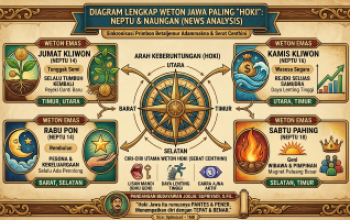
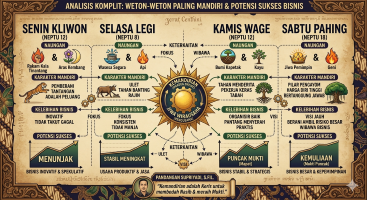
In the ancient manuscript Primbon Betaljemur Adammakna, several Weton (birth dates) are described as having an “iron bone” character, steadfast, resilient, and not easily reliant on others.
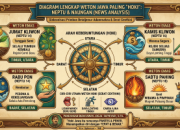
Those born on Senin Kliwon are known for their courage in determining their life path from an early age. Selasa Legi represents the tenacious figure who chooses the fruits of their own hard work, however humble. Kamis Wage grows from the fortitude of facing hardships, while Sabtu Pahing carries a leadership instinct that makes them reluctant to lean on others.
For the people of Yogyakarta, these Weton readings are not merely predictions, but reflections of life values passed down through generations.
Resilient in Spirit, Not Antisocial
Independence in the Javanese view does not stand in opposition to gotong royong. On the contrary, it strengthens one’s role within the community.
Independent individuals are believed to possess high mental endurance, hold firm to their principles, and be capable of solving problems without excessive reliance on outside help. They tend to work in silence, yet their results are deeply felt. This character often emerges in the lives of Yogyakarta residents who are accustomed to facing limitations with creativity and responsibility.
“Laku Prihatin” and the Path to “Mardika” Yogyakarta cultural observer, Supriyadi, S.Fil., views independence as part of a spiritual journey.
“The pinnacle of independence in Javanese culture is Mardika (Freedom). It is not about wealth, but about when a person has moved past their ego,” he says.
He adds that Weton with independent characters are often forged through early life trials. This process forms an invisible resilience that determines the direction of one’s life.
From Trials to Social Roles
In Javanese manuscripts, independent figures are often associated with Satria Wirang, those who have been tested through pressure or emotional wounds. Yet, from that very place, the strength to stand firmer is born.
Ideal independence always goes hand in hand with Andhap Ashor (humility). Without humility, independence can turn into isolation. With humility, it becomes a sheltering force.
In a changing era, this value provides direction: that being independent does not mean being alone, but rather being ready to be a pillar for others. Ultimately, independence in Javanese Weton is not about who stands strong.(Oi)