

Yogyakarta, Voicejogja.com – Amidst the fast-moving currents of technology and a digital landscape often loud with conflict and ego, Javanese society possesses a moral mirror inherited from the 19th century. Serat Wedhatama offers profound teachings on how to maintain clarity of heart amidst a changing world.
This literary masterpiece from the Pura Mangkunegaran serves not only as a cultural relic but as an ethical guide that remains deeply relevant today, especially in Yogyakarta, a city known as a living space for tradition, knowledge, and inner reflection.

The Intellectual Legacy of Mangkunegara IV
Etymologically, Wedhatama is derived from two Sanskrit words: Wedha (knowledge) and Tama (excellence). The meaning is simple yet profound: the knowledge of how to become a noble human being.
Written in the 1870s by KGPAA Mangkunegara IV, the visionary ruler of Praja Mangkunegaran (1853–1881)—this work reflects his role as both a leader and a philosopher. During his reign, Western influence began to permeate Javanese society, bringing rapid social changes and an underlying anxiety about the loss of local values.
Mangkunegara IV responded not with physical resistance, but by strengthening the moral foundations and spiritual consciousness of the people.
Five Cantos, Five Paths of Ethics
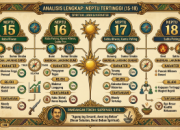
The teachings in Serat Wedhatama are structured into five types of Javanese poetry (Pupuh), each conveying a complementary ethical message:
-
Pangkur: Emphasizes the importance of suppressing worldly lust and arrogance. It warns that intellectual pride can lead one away from true wisdom.
-
Sinom: Highlights the ideal model of leadership, personified by Panembahan Senapati. Leadership is portrayed not as mere power, but as the ability to govern oneself and bring peace to others.
-
Pocung: Asserts that true knowledge is not just theory. Its famous line, “Ngèlmu iku kalakoné kanthi laku,” means that knowledge only finds meaning when realized through action.
-
Gambuh: Explains the concept of Sembah Catur (The Four Worships): body, mind, soul, and feeling—the stages of a human’s journey toward the Creator.
-
Kinanthi: Teaches alertness in social life, urging humans to remain Eling lan Waspada (mindful and vigilant) while navigating the world.
The Three Pillars of Wedhatama
At its core, the work stands on three pillars. First is Self-Control; ego and greed are seen as the sources of moral decay. Second is the Harmony between Ritual and Essence; religious practice must be accompanied by a sincere heart. Third is the Importance of Action; knowledge is measured by its benefit to others, not by social titles.
Relevance in the Social Media Era
In the digital age, the message of Serat Wedhatama is more critical than ever. As social media often becomes a stage for displaying wealth and intellect, the Javanese concept of Ngelmu Pari (The Wisdom of Rice), the more it grows, the lower it bows, serves as a vital counter-narrative.
The value of Eling lan Waspada acts as a fortress against the flood of misinformation and provocation, reminding us that true wisdom is born from the depths of the soul.
A Mirror for Modern Generations
For the people of Yogyakarta, living at the intersection of tradition and modernity, Serat Wedhatama is a reminder that progress does not have to come at the cost of wisdom. It posits that human development is not just about economics and technology, but about the quality of the inner self.
Mangkunegara IV left a legacy that challenges every generation to look in the mirror: are we still ruled by ego, or are we walking toward becoming an “Utama” (excellent) human being?(Oi/Supriyadi)