
Yogyakarta, Voicejogja.com – In an era of rapid global change, the society of Yogyakarta still preserves an ancient method of identifying leadership: through Weton (birth-charts) and spiritual discipline.
For many, a leader is not merely a title-holder, but a sacred mandate entrusted since birth. This philosophy is known as “Gawan Bayi”, a profound view that true leadership grows from within, rather than being manufactured by power.

Leadership That Emerges from the Soul
In Javanese tradition, leadership is often interpreted as “Pulung” or a divine mandate. It does not stem from personal ambition, but from an individual’s spiritual readiness to carry social responsibility.
Ancient manuscripts such as Primbon Betaljemur Adammakna and Serat Raja Kapa-kapa describe specific signs in certain Wetons believed to possess natural leadership potential.
This character is known as “Wibawa Pinandhita”, an inherent authority that commands respect without force. Such figures do not dominate; instead, their presence brings a sense of calm and trust to those around them.
Wetons with Natural Leadership Energy
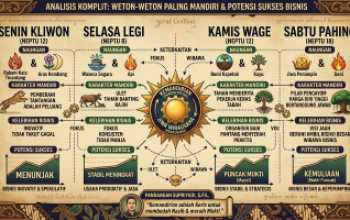
Several Wetons are said to have a strong inclination toward natural leadership. Sabtu Pon, for example, is symbolized by the Banyan tree, providing shade and protection. Kamis Wage is known for leading by example, working directly alongside others without keeping a distance.
Meanwhile, Jumat Kliwon possesses a powerful vision capable of mobilizing many, and Rabu Pahing carries a visionary character with the ability to perceive future directions.
In the social context of Yogyakarta, these values are often manifested in community leaders, entrepreneurs, and local figures.
Traits of a Leader in Javanese Philosophy
Ancient manuscripts portray a natural leader as someone whose words carry weight, who is humble, and sharp in decision-making. They are not just technically proficient but spiritually mature. The attitude of “Andhap Asor” (deep humility) is the key, especially in relating to the community.
In daily life in Yogyakarta, this character feels familiar: the most respected leaders are not those who shout the loudest, but those who listen and are present among the people.
Leadership as a Social Mandate
Yogyakarta cultural expert, Supriyadi, S.Fil., interprets “Gawan Bayi” leadership as the readiness to become a vessel for public hope.
“A natural leader is not about ambition, but the readiness to carry the expectations of many. There is an energy of ‘Prabawa‘ (charisma) that makes people feel safe,” he explains.
He emphasizes that this power must be guarded with internal justice; when leadership is used for personal gain, its sacred value fades.
Relevance for the Future of Yogyakarta
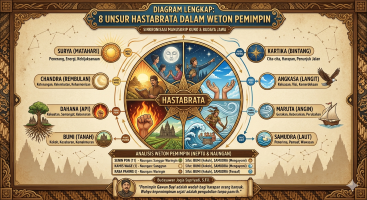
The teachings of Hastabrata in Javanese tradition also serve as a vital foundation. An ideal leader is expected to emulate the qualities of nature: firm like the earth, sheltering like a tree, vast like the ocean, and giving like the sun. Amidst modern dynamics, these values remains relevant.
Yogyakarta needs leaders who are not just intelligent, but those capable of balancing power with empathy. The philosophy of “Tapa Ngeli”, moving with the flow without being swept away—serves as a reminder that leadership is a process of maintaining one’s integrity amidst change.
Closing
In Yogyakarta, leadership is never detached from cultural roots. Weton may only be a marker, but it is the honesty of the heart and the discipline of life that ultimately determine a leader’s direction in guiding society toward a collective good.(Oi)