
Jakarta, Voicejogja.com – Behind every chocolate bar served on a European dinner table, there is a long journey of dedication from local farmers to domestic industries.
The recent export of Indonesian cocoa to France marks a significant milestone, signaling that the national value chain is moving toward a stronger, more integrated position.

For regions like Yogyakarta, which boasts a vibrant agricultural and SME (UMKM) ecosystem, the downstreaming (hilirisasi) of cocoa presents a tangible opportunity to expand economic benefits to the local level.
Maiden Export to the European Market
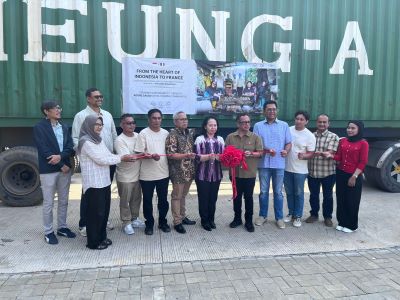
Indonesian processed cocoa and chocolate products officially penetrated the French market through a maiden export conducted by PT Adore Rempah Indonesia in mid-April.
Minister of Industry Agus Gumiwang Kartasasmita hailed this move as a strategic step to expand market access while showcasing the competitiveness of the domestic processing industry.
“This inaugural export is a strategic leap to broaden the market access for Indonesian cocoa and chocolate products globally,” he stated.
Downstreaming as the Key to Competitiveness
Strengthening the downstream cocoa industry remains a primary focus in increasing the added value of domestic products. Exports of high-value products such as cocoa butter and white chocolate demonstrate that Indonesia is no longer solely reliant on raw material exports.
Acting Director General of Agro-Industry, Putu Juli Ardika, emphasized that this export reflects the national industry’s capability to meet stringent global standards. This move aligns with government policies to push value-added products that can compete fiercely in the international arena.
Impact on Local Farmers
The downstreaming process does not stop at the factory; it has a direct ripple effect on the upstream sector. Cocoa farmers are vital components of this reinforced supply chain.
Director of Beverage, Tobacco, and Refreshment Industry, Merrijantij Punguan Pintaria, noted that integrating upstream and downstream sectors will create broader economic benefits.
“We continue to encourage the integration between the upstream and downstream sectors to create a sustainable and resilient supply chain,” she remarked.
Opportunities for the Local Economy
The journey of PT Adore Rempah Indonesia, which expanded its business from vanilla to cocoa, showcases the consistent growth of the agro-industry. In recent years, the company has recorded a significant increase in business scale.
This progress signals that local products with maintained quality have a massive chance in the global market, including for entrepreneurs in regional areas. For Yogyakarta, strengthening cocoa downstreaming is an opportunity to develop local-based processed products capable of penetrating export markets.
Sustaining Value from Seed to Shelf
By championing the connection between farmers and the global market, this export reveals a new direction for Indonesia’s food industry. When added value is managed domestically, the benefits are felt not only by large industries but also by communities at the grassroots level.
For Yogyakarta and other regions, strengthening downstreaming is a vital step toward economic sustainability while opening doors to the world stage.(Oi)
Source: Kemenperin.go.id